
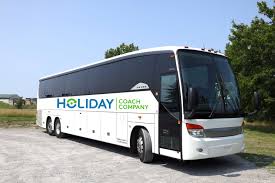
Shuttle Bus for Manufacturing Plants: Shift-Worker Transportation Solutions
How manufacturing plants use recurring shuttle bus contracts to move shift workers reliably — routing, scheduling, and employee retention benefits.
Manufacturing plants increasingly use recurring shuttle bus contracts to move shift workers reliably between parking, transit hubs, and the plant entrance. A well-designed employee shuttle improves attendance, reduces parking strain, and supports retention for plants running multiple shifts. For facilities operating around the clock, transportation is not a perk — it is part of keeping production lines fully staffed.
Why Plants Add Worker Shuttles
- Reliability across shifts — predictable, scheduled pickups keep production lines fully staffed.
- Reduced parking demand — satellite lots and shuttles free up on-site parking.
- Access to labor pools — shuttles connect plants to public transit and distant neighborhoods.
- Retention and recruitment — transportation support is a valued employee benefit.
- Safety — a single organized shuttle reduces the chaos of mass arrivals and departures at shift change.
Common Shuttle Models
- Lot-to-plant loop: A short loop connecting a remote or overflow parking lot to the facility entrance.
- Transit connector: A timed route linking the nearest bus or train station to the plant for each shift change.
- Neighborhood circulator: A fixed route through nearby residential areas for employees without vehicles.
- On-demand flex: A smaller vehicle that adapts to shift sizes that vary day to day.
Vehicle Sizing for Shifts
Shift size drives vehicle choice. A 16-passenger executive Sprinter suits small crews or supervisor transport. A 25 to 35 passenger mini-coach handles medium shifts. Full-size 47 to 56 passenger motorcoaches move large shift changes in fewer trips, reducing wait times and driver hours. Sizing with a little headroom is important because a bus that exactly fits the average shift will overflow on busy days.
Contract Considerations
- Fixed schedule vs flex: Define whether routes run on a fixed clock or adjust to shift volume.
- Dedicated vs shared: A dedicated vehicle stays on-site; a shared vehicle is dispatched per shift.
- Driver coverage: Confirm the carrier can cover every shift including weekends and holidays.
- Reporting: Request ridership reports to right-size the route over time.
- Backup vehicles: Ensure the contract includes a replacement bus for maintenance days.
- Cost structure: Decide between a flat monthly rate, a per-shift rate, or an hourly rate with minimums.
Planning Steps
- Map each shift's headcount and arrival windows.
- Identify the stops (lot, transit hub, entrance).
- Choose a vehicle size with headroom for growth.
- Pilot one shift, measure ridership, then scale.
- Review ridership data monthly and adjust routing.
Measuring Success
A plant shuttle is working when attendance improves, parking complaints drop, and employee surveys mention transportation as a positive. Track ridership per shift, on-time performance, and no-show bus days. A shuttle that consistently runs full may need a larger vehicle or a second route; a shuttle that runs nearly empty may need a smaller vehicle or a consolidated route.
Safety and Compliance
Worker shuttles must meet the same FMCSA standards as any commercial passenger transport — driver qualifications, hours-of-service limits, vehicle maintenance, and insurance. For a plant running three shifts, confirm the carrier can staff drivers across all of them without exceeding hour limits, which may require a pool of drivers rather than a single assignment.
Questions to Ask a Shuttle Provider
- Can you cover every shift including weekends and holidays?
- What is your backup vehicle plan for maintenance days?
- Do you provide ridership reporting?
- How do you handle a driver no-show on a critical shift?
- Is the rate fixed monthly or per shift?
The Bottom Line
A recurring employee shuttle is an operational investment that pays back in attendance, retention, and parking relief — but only when the route, vehicle, and contract are designed around the plant's actual shift patterns. Holiday Coach runs recurring employee shuttle programs across Michigan and the Midwest. Request a free quote with your shift schedule for a tailored shuttle plan.
Related Services & Resources
Related Knowledge Center Articles
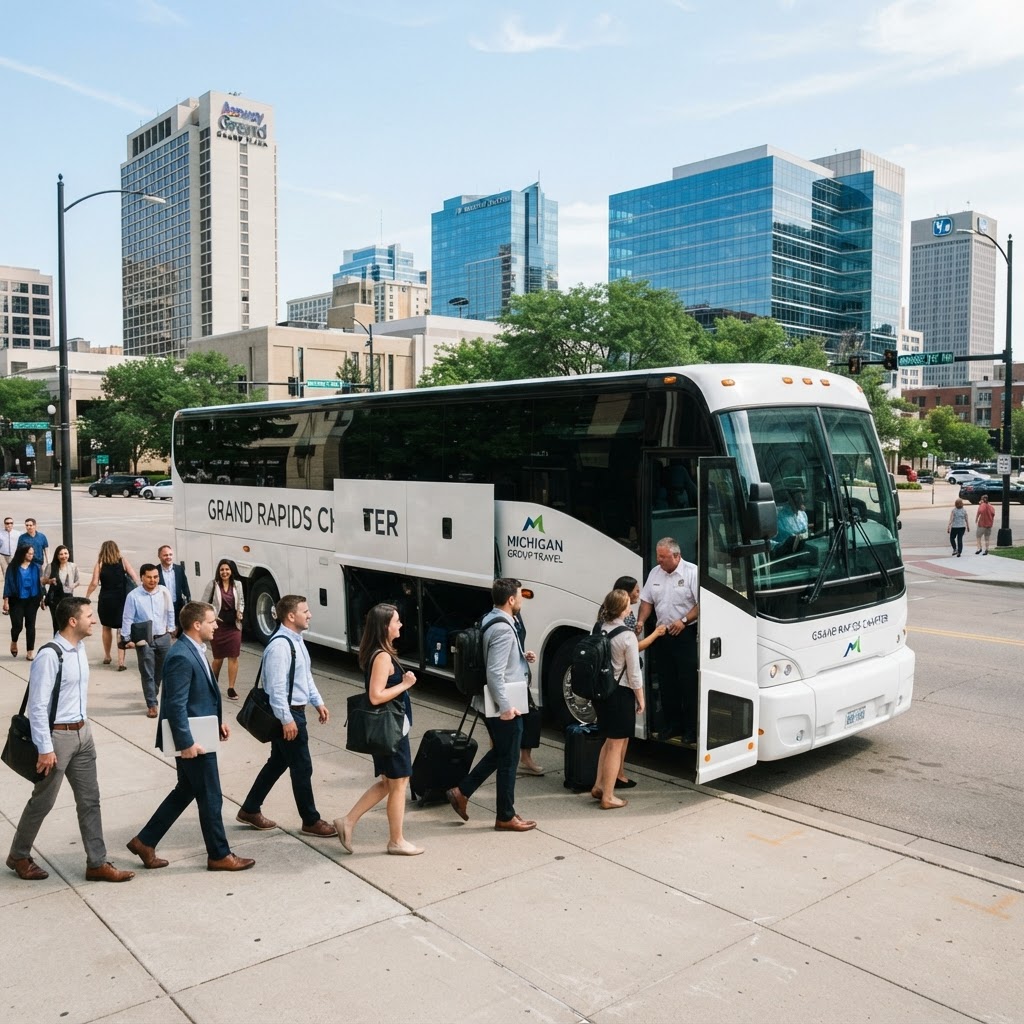
Coach Bus Grand Rapids Corporate Shuttles | Charter Bus Group Transportation
Reliable coach bus Grand Rapids corporate shuttles and charter bus group transportation for conventions, retreats, and daily employee commutes across west Michigan.

Company Holiday Party Charter Bus: Group Transportation for Office Celebrations
Keep your team safe and together for the office holiday party. Charter bus and coach bus transportation for company holiday parties, year-end celebrations, and seasonal events across Michigan and the Midwest.

Corporate Retreat Charter Bus: Group Transportation for Off-Site Team Building
Transport your entire team to an off-site retreat with a corporate charter bus — productive travel time, on-time arrival, and stress-free group logistics.
Trade Show Charter Bus: Group Transportation for Exhibitors & Attendees
Move exhibitor teams and large attendee groups to trade shows and conventions with a charter bus that handles equipment, schedules, and group logistics.