
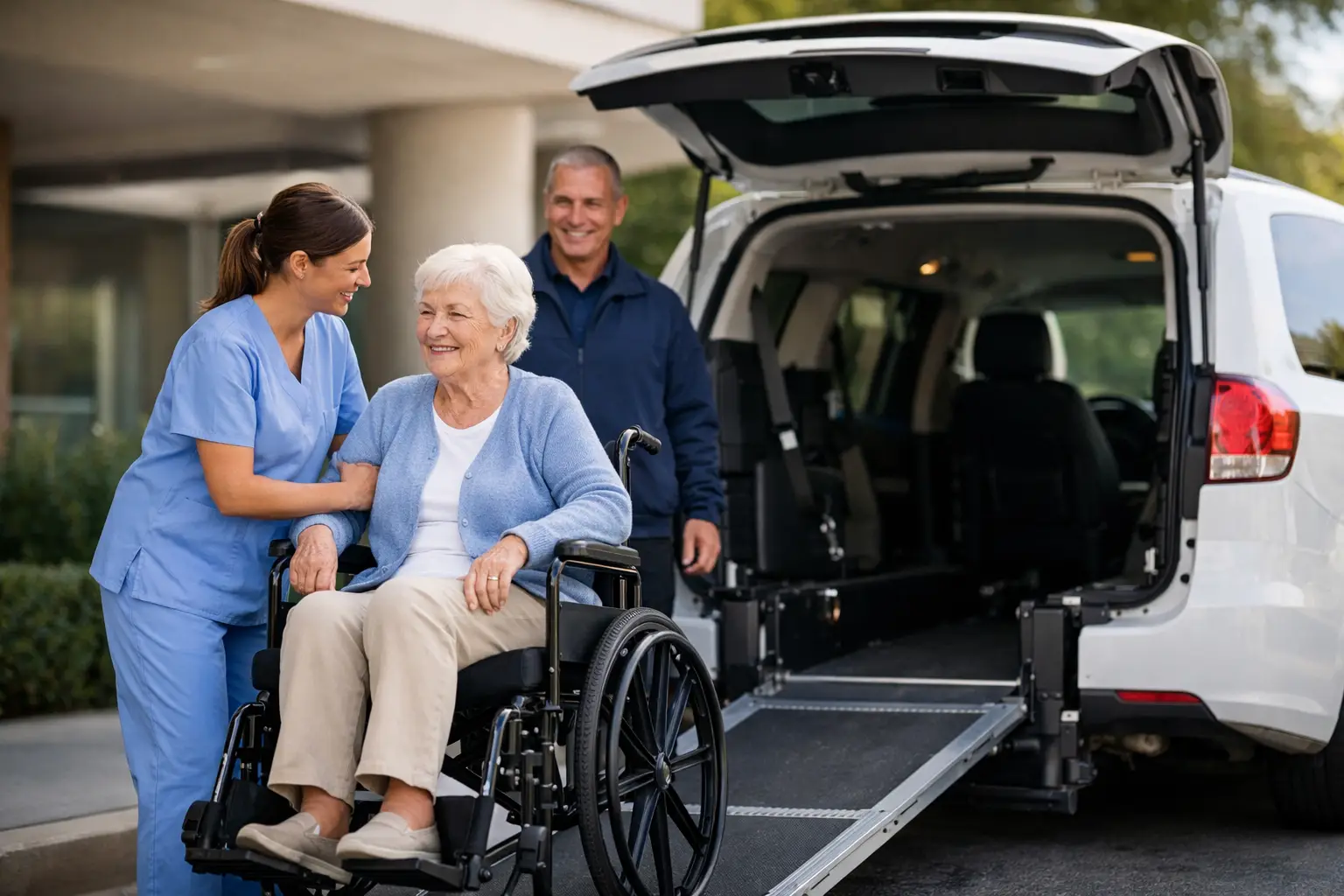
A missed dialysis appointment is rarely just a scheduling problem. For older adults, one failed trip can trigger a chain of clinical setbacks, family stress, and added cost across the care continuum. That is why medical transportation services for seniors demand more than vehicle availability. They require operating discipline, trip visibility, trained personnel, and systems that can support recurring healthcare movement at scale.
For transportation operators, this segment is not simply another demand channel. It is a specialized service model with different performance expectations than general livery, paratransit, or standard passenger transportation. For owners evaluating growth, technology investment, or exit strategy, senior-focused medical transportation is one of the clearest examples of where fragmented operations struggle and integrated platforms outperform.
Why medical transportation services for seniors are operationally different
Senior transportation sits at the intersection of mobility, healthcare access, and risk management. The passenger profile alone changes the operating requirements. Many riders need ambulatory assistance, door-through-door support, wheelchair accommodation, or extra time for boarding and discharge. Others manage cognitive decline, post-procedure limitations, oxygen equipment, or high-frequency treatment schedules.
That changes everything from dispatch logic to driver training. A late airport transfer is inconvenient. A late oncology trip has clinical consequences. In this segment, reliability is not a brand promise. It is part of the service outcome.
Operators that enter this category using a conventional point-to-point transportation model often hit the same ceiling. They underestimate dwell times, overbook capacity, and rely on manual communication between dispatch, drivers, facilities, and family contacts. The result is margin pressure, inconsistent service quality, and avoidable safety exposure.
A stronger model treats senior medical transportation as a managed operating environment. Routes, staff workflows, vehicle specs, scheduling buffers, and reporting structures all need to align around a higher standard of accountability.
The demand outlook is strong, but the service bar is higher
The aging population is well documented, but volume alone is not the most important signal. The more meaningful shift is utilization complexity. Seniors are living longer with chronic conditions, using outpatient care more frequently, and moving between providers, specialists, rehabilitation facilities, and home settings on a recurring basis.
That creates durable demand for non-emergency transportation, but it also raises the service bar. Healthcare partners want on-time performance, trip confirmation, incident protocols, and billing clarity. Families want reassurance and communication. Regulators and payors want documentation, compliance, and defensible operational standards.
This is where scale can either help or hurt. Growth without process control tends to magnify inconsistency. Growth with shared technology, standardized safety frameworks, and centralized oversight creates a very different operating profile. That distinction matters for both buyers and sellers in the market.
What operators need to get right
In medical transportation services for seniors, execution is built on a few core capabilities. None are especially glamorous, but together they define whether an operator can serve the segment responsibly and profitably.
Fleet fit matters more than fleet size
Not every vehicle is suitable for senior healthcare trips, even if it is legally serviceable. Entry height, securement systems, climate control, ride quality, interior layout, and maintenance discipline all affect rider safety and comfort. For recurring treatment passengers, small discomforts compound quickly.
A mixed fleet can be an advantage when matched to trip type. Ambulatory sedans, wheelchair vans, and higher-capacity vehicles each serve a purpose. The mistake is assuming utilization solves everything. If the wrong vehicle is deployed consistently, service quality falls and operational friction rises.
Driver standards are central to risk control
In this category, the driver is not just a vehicle operator. They are the frontline service interface, and often the only human touchpoint during the trip. Training must go beyond basic defensive driving. Operators need protocols for rider assistance, securement, incident escalation, communication with care staff, and handling delayed discharges or no-show scenarios.
Soft skills also matter, but they should be operationalized rather than treated as a hiring slogan. Patience, clarity, and professionalism reduce trip friction. Documentation discipline protects the business. The highest-performing teams tend to combine both.
Dispatch cannot stay manual for long
Senior medical transportation generates variables that manual boards and fragmented phone communication cannot handle well. Appointment windows shift. return times are unpredictable. Facility bottlenecks affect vehicle availability. Family members and case managers may need status updates. Without technology support, dispatchers spend too much time reacting.
Digital scheduling, live vehicle visibility, automated trip status updates, and exception management tools are no longer optional for operators that want to scale this service line. The point is not technology for its own sake. The point is operational control.
Coordination is part of the product
A senior trip often involves more stakeholders than a standard passenger movement. The rider, caregiver, medical office, facility discharge team, insurer, and transportation provider may all have a role. When coordination breaks down, operators absorb the disruption through idle time, failed pickups, and complaint volume.
The better approach is structured communication. Confirmations, standardized pickup protocols, facility contact procedures, and real-time trip updates reduce preventable failures. This is where integrated systems create measurable value.
Where fragmented operators lose ground
Many local operators built solid businesses by knowing their communities and maintaining strong relationships. That local knowledge still matters. But as service expectations rise, fragmentation creates pressure in predictable places.
One is compliance management. Credential tracking, vehicle inspection records, incident reporting, and payer documentation become harder to manage across disconnected tools and informal processes. Another is data visibility. If leadership cannot see trip performance, vehicle utilization, cost per trip, and service failures in real time, improvement becomes slow and anecdotal.
The third pressure point is succession. Owners with strong community businesses often reach a stage where the service demand remains attractive, but the administrative load, technology requirements, and capital demands keep increasing. In senior transportation especially, the next stage of growth usually requires more structure than a founder-led operation was originally built to support.
What healthcare partners increasingly expect
Healthcare organizations are becoming more demanding transportation buyers. They are not only purchasing rides. They are evaluating service reliability, reporting quality, responsiveness, and operational maturity.
That means transportation providers need to present themselves less like standalone carriers and more like managed mobility partners. Standard operating procedures, centralized oversight, documented safety programs, and service-level reporting all matter. So does the ability to integrate transportation performance into broader care coordination workflows.
This shift creates opportunity for operators that invest early. It also creates consolidation pressure on those that do not. As medical transportation services for seniors become more data-driven and service-sensitive, scale with discipline becomes a competitive advantage.
Technology is not replacing service. It is making service measurable.
Some operators still view fleet technology as an added layer rather than a core operating asset. In senior medical transportation, that view is becoming harder to defend. Routing systems, telematics, driver workflow tools, digital documentation, and live service dashboards do not replace human care. They make human performance easier to manage and easier to prove.
That matters in two directions. For operating companies, better systems improve efficiency, reduce avoidable errors, and strengthen accountability. For owners considering a sale, technology maturity can materially change how the business is valued. Buyers are not only assessing revenue and vehicles. They are assessing repeatability, visibility, and integration potential.
This is one reason platform-based transportation enterprises continue to stand out. When leadership, safety frameworks, and digital infrastructure are shared across specialized divisions, each operating company gains more than back-office support. It gains operating leverage.
A practical lens for owners evaluating their position
If you run a non-emergency medical transportation business serving seniors, the key question is not whether demand exists. It does. The more useful question is whether your current operating model is built for the next phase of the market.
If your dispatch team is carrying too much complexity manually, if reporting is assembled after the fact, if training varies by location, or if growth depends on a few individuals holding the system together, those are not minor inefficiencies. They are structural limits.
Some operators will address that through technology adoption and tighter process design. Others will decide the stronger move is to join a larger platform with established systems, broader oversight, and a more diversified transportation structure. Neither path is automatically right. It depends on capital, leadership succession, market density, and appetite for operational transformation.
What is becoming clear, however, is that senior medical transportation is no longer a category where basic trip fulfillment is enough. The market is rewarding operators that can combine safety, coordination, and digital control in a consistent service model.
For companies thinking seriously about growth, investment, or exit, that is the real signal. Medical transportation for seniors is not getting simpler. It is becoming more operationally defined, more technology-enabled, and more central to healthcare access. The businesses that recognize that early will be in a stronger position to build value, not just volume.
The opportunity here is not to run more rides. It is to build a transportation operation that healthcare partners, families, and future buyers can trust under pressure.